
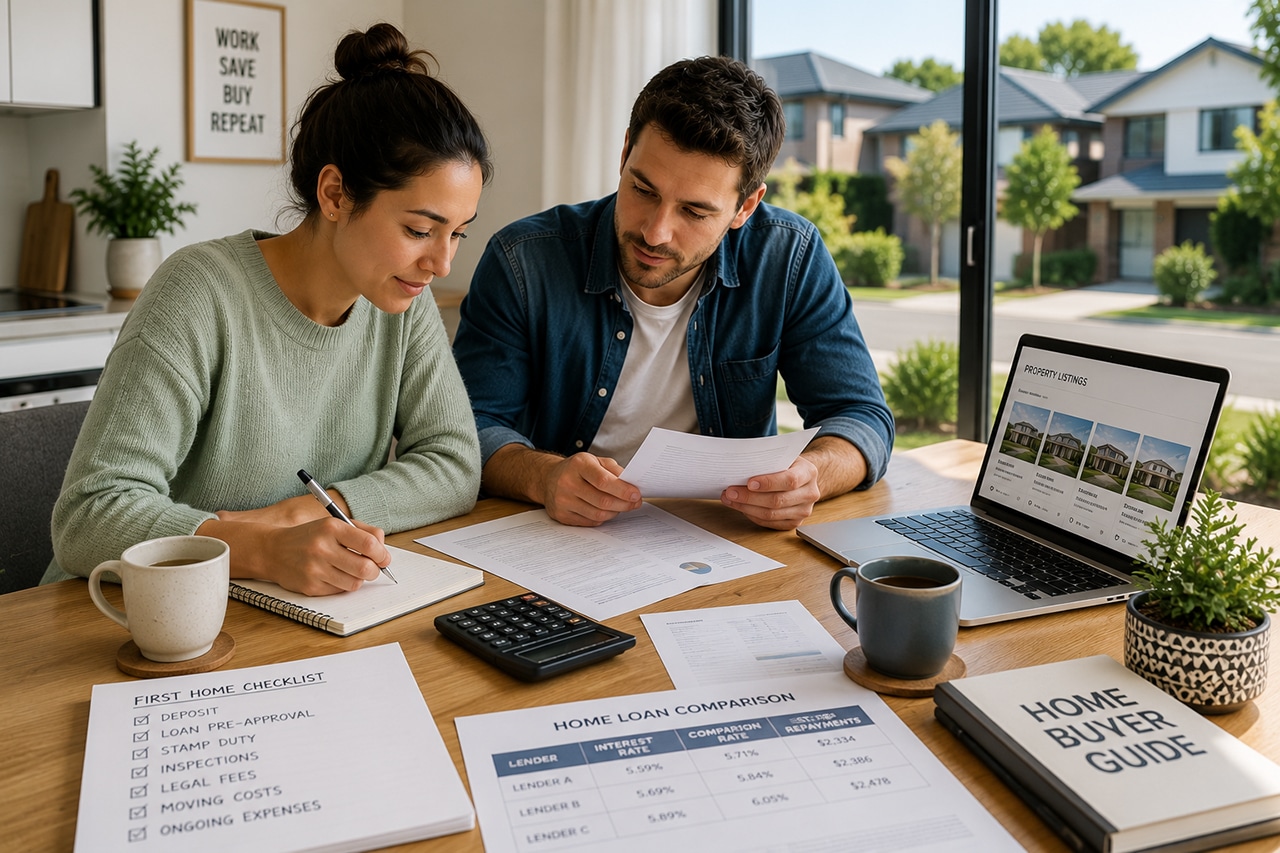
Buying your first home is exciting, but it can also feel overwhelming.
There are open homes to inspect, lenders to compare, contracts to understand, savings to manage and decisions to make quickly. For many first-home buyers, the biggest challenge is not finding a property. It is understanding the process before making decisions that could affect them for years.
The good news is that many common first-home buyer mistakes can be avoided with the right preparation.
Here are 10 mistakes first-home buyers often make, and how to avoid them.
Key takeaways
- Understand your borrowing power before you start searching, so you are looking at properties that are realistically within reach.
- A 20% deposit is not always required, and ruling yourself out on that assumption can delay you for years.
- Your deposit is only part of the cost, with stamp duty, legal fees, inspections and moving costs all needing a budget.
- The maximum a lender approves is not the amount you should borrow, so leave room for rate rises and changing expenses.
- Loan structure can matter as much as the interest rate, including offset accounts, redraw and repayment flexibility.
- Getting advice early beats getting it under pressure, once you have already found a property and the clock is running.
This article is general information only and does not consider your personal financial situation or needs.
1. Starting the Property Search Before Understanding Borrowing Power
Many buyers start by scrolling property listings and attending open homes.
While this is exciting, it can lead to disappointment if you are looking at properties outside your true budget.
Before you begin seriously searching, it is important to understand:
- How much you may be able to borrow
- What your repayments could look like
- How much deposit you need
- What additional costs you should allow for
Knowing your borrowing power helps you focus on realistic options and make more confident decisions.
2. Assuming You Need a 20% Deposit
A 20% deposit can be helpful because it may reduce borrowing costs and help avoid Lenders Mortgage Insurance. However, it is not always required.
Depending on your circumstances, you may be able to buy with a smaller deposit.
Some buyers may also be eligible for government support or lender options that reduce the upfront savings required.
The key is not to rule yourself out based on assumptions. Speak with a broker early so you can understand what may be possible.
3. Forgetting About Extra Buying Costs
Your deposit is only one part of the cost of buying a home.
First-home buyers also need to consider costs such as:
- Stamp duty, where applicable
- Conveyancing or solicitor fees
- Building and pest inspections
- Loan setup costs
- Moving costs
- Insurance
- Utility connections
- Council rates and body corporate fees, if applicable
Failing to budget for these costs can create stress close to settlement.
A clear upfront budget helps avoid surprises.
4. Not Getting Pre-Approval
Pre-approval is not always essential, but it can be extremely useful.
It gives you a clearer idea of your borrowing position before making an offer. It can also help you act with more confidence when the right property appears.
Without pre-approval, you may risk making offers without fully understanding whether finance is likely to be approved.
A pre-approval can help clarify your budget and give you a stronger position when negotiating.
5. Buying at the Absolute Maximum Budget
Just because a lender may approve a certain loan amount does not mean you should borrow the maximum.
First-home buyers should think carefully about comfort, lifestyle and future flexibility.
Consider whether you could still manage repayments if:
- Interest rates changed
- Your expenses increased
- Your income changed
- Unexpected costs appeared
A good home loan should support your life, not place unnecessary pressure on it.
6. Ignoring Loan Structure
Many buyers focus only on the interest rate.
While the rate matters, the loan structure can be just as important.
Features such as offset accounts, redraw facilities, fixed or variable options and repayment flexibility can make a big difference over time.
The right loan is not always the one with the lowest advertised rate. It is the one that suits your goals, cash flow and future plans.
7. Letting Emotion Drive the Decision
Buying your first home is emotional.
It is easy to fall in love with a kitchen, a view or a particular street.
But emotion can sometimes lead buyers to overlook important details, such as:
- Building issues
- Poor layout
- Limited resale appeal
- High ongoing costs
- Traffic noise
- Limited future flexibility
A property should feel right, but it should also make sense financially and practically.
8. Skipping Building and Pest Inspections
Some buyers are tempted to skip inspections to save time or money.
This can be risky.
Building and pest inspections can reveal issues that are not obvious during an open home, including structural problems, water damage, termite activity or major repair needs.
Spending money on inspections before buying can potentially save thousands later.
9. Not Understanding the Contract
A property contract is a serious legal document.
First-home buyers should avoid signing anything they do not fully understand.
Before committing, it is important to seek advice from a qualified conveyancer or solicitor who can explain key contract terms, conditions, dates and obligations.
Understanding what you are signing helps reduce risk and avoid costly mistakes.
10. Waiting Too Long to Ask for Help
Many first-home buyers wait until they have found a property before speaking with a mortgage broker.
By that stage, they may already be under pressure.
Getting advice early can help you understand:
- Borrowing capacity
- Deposit requirements
- Loan options
- Government assistance
- Repayment estimates
- The buying process from start to finish
The earlier you prepare, the more confident and informed you can be when the right property appears.
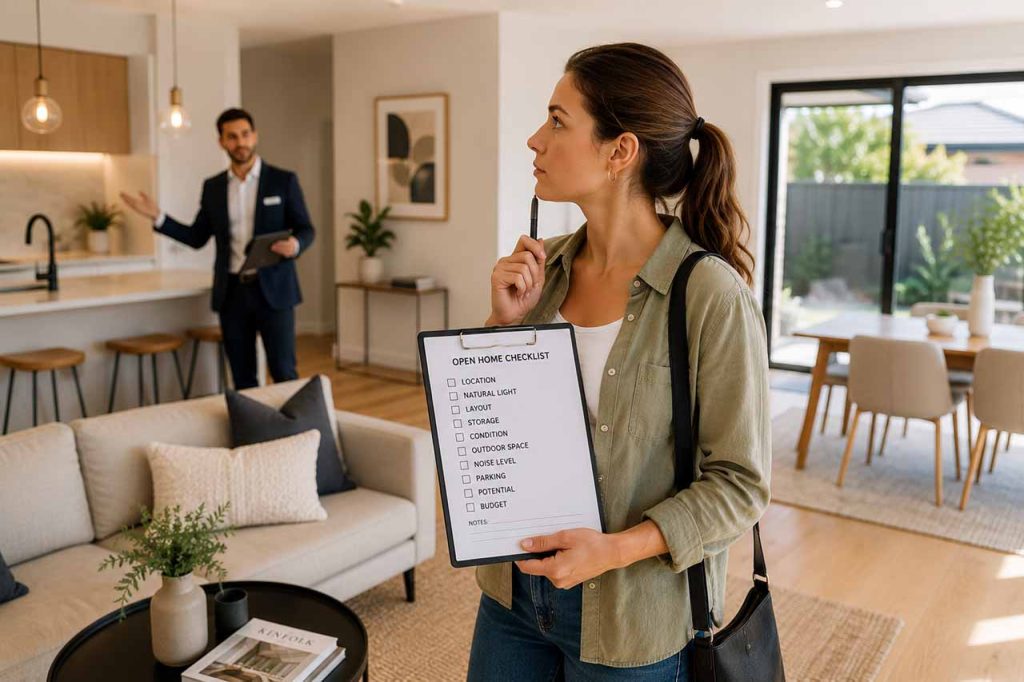
How First-Home Buyers Can Prepare Better
The strongest buyers are usually not the ones who know everything from the start.
They are the ones who ask questions early and build the right team around them.
Before buying your first home, it helps to:
- Review your savings
- Understand your borrowing capacity
- Reduce unnecessary debts
- Research government schemes
- Get clear on your ideal location
- Speak with a mortgage broker
- Engage a conveyancer or solicitor
- Understand your repayment comfort zone
Preparation can make the process smoother, less stressful and more successful.
The Bottom Line
Buying your first home is a major milestone, but it does not need to feel confusing.
Most first-home buyer mistakes come from rushing, guessing or relying on assumptions.
By understanding your finances early, getting the right advice and making decisions based on your goals, you can approach the property market with greater confidence.
The right preparation can help you avoid costly mistakes and put you in a stronger position when the right home comes along.
If you are thinking about buying your first home, speaking with an experienced mortgage broker can help you understand your options and create a clear plan before you start house hunting.
Frequently Asked Questions
Do first home buyers need a 20% deposit in Australia?
Not always. A 20% deposit may reduce borrowing costs and help avoid Lenders Mortgage Insurance, but depending on your circumstances you may be able to buy with a smaller deposit or through government support.
What costs should first home buyers budget for beyond the deposit?
Costs can include stamp duty where applicable, conveyancing or solicitor fees, building and pest inspections, loan setup costs, moving costs, insurance, utility connections, and council rates or body corporate fees.
When should first home buyers speak with a mortgage broker?
Early, before house hunting begins. Getting advice early helps you understand borrowing capacity, deposit requirements, loan options, government assistance and the buying process before you are under pressure.
This article provides general information only and does not constitute financial, legal or credit advice. Lending criteria, government schemes and property costs can change. First-home buyers should seek personalised advice from a qualified mortgage broker, conveyancer, solicitor or financial professional before making property or finance decisions.