
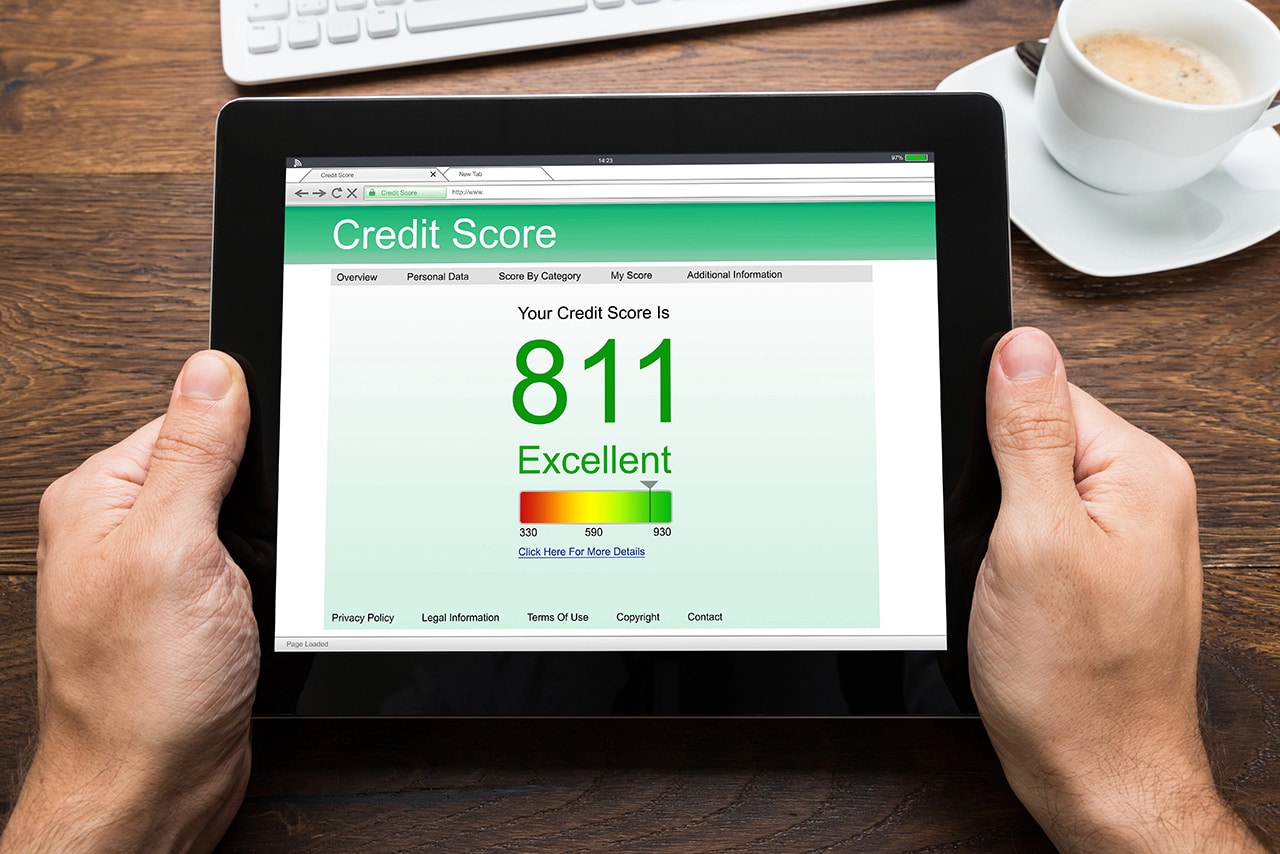
Your credit score is basically your money reputation.
When you apply for a home loan, refinance, car loan, or even a credit card, lenders look at your credit report to answer one question. Are you low risk and consistent, or are you chaos in human form.
The good news is you do not need to do anything fancy. In Australia, credit scores improve when you do boring things well, consistently.
In this article, we will explain why your credit score matters, what impacts it, and the top 5 simple habits that can lift it over time.
Key takeaways
- Your credit score affects approvals, rates, and how smooth the process feels, especially for home loans.
- The fastest wins are boring wins. Pay on time, keep limits sensible, and avoid multiple applications.
- Small defaults can punch above their weight, like missed bills, late payments, or small loans that got messy.
- Checking your credit file is underrated. Errors happen and fixing them can improve your position.
- A broker can help you avoid unnecessary credit hits by planning applications properly and choosing the right lender before you apply.
This article is general information only and does not take your personal objectives, financial situation or needs into account. If you are unsure, speak with a licensed mortgage broker or financial adviser.
Why your credit score matters
Your credit score helps lenders decide how risky it is to lend you money.
A stronger score can mean a smoother approval, better lender options, and sometimes sharper pricing. A weaker score can mean more questions, more paperwork, and fewer choices.
Even if you have a good income and savings, your credit report is the paper trail that proves you pay things back reliably.
What affects your credit score in Australia
In simple terms, your score is shaped by how you handle credit over time. That includes things like whether you pay on time, how many credit accounts you have, and how often you apply for new credit.
Your credit report can include credit cards, personal loans, car loans, some phone plans, and other credit related accounts. Late payments and defaults can hurt. Lots of new applications in a short period can also hurt because it looks like you are chasing credit.
Think of it like a trust score. Consistency builds it. Chaos dents it.
Top 5 simple practices to build an amazing credit score
1. Pay everything on time, even the boring stuff
The biggest habit is also the simplest. Pay on time.
Not just your loan. Bills, utilities, phone plans, anything that can end up reported. Set up direct debits where you can. If you hate direct debits, at least set calendar reminders.
If you are trying to look strong to a lender, late payments are the opposite of strong.
2. Stop applying for credit like it is a hobby
Every time you apply for credit, it can leave a footprint on your file.
One application is normal. Three in a month looks like you are in a rush. Six looks like you are one bad weekend away from a jet ski you did not budget for.
If you are planning a home loan in the next 6 to 12 months, avoid applying for new credit unless you truly need it.
3. Keep credit card limits sensible and tidy
Lenders look at your limits, not just what you owe today.
If you have a card with a big limit that you barely use, it can still reduce borrowing capacity because lenders assume you could max it out tomorrow.
One or two cards with reasonable limits is usually easier than a stack of cards you opened for points and forgot about.
4. Clean up old accounts and be careful with short term lending
If you have old credit cards, unused personal loans, or store finance that is still open, consider whether it is helping you or just cluttering your file.
Also be cautious with short term or high interest lending. Even applying can be a red flag for some lenders. If you are in a tight spot, speak to a professional first so you do not create a bigger problem while trying to solve a smaller one.
5. Check your credit report and fix errors
Credit file errors happen. Wrong addresses, duplicated accounts, or paid debts that still show as unpaid.
Checking your report is like checking your payslip. You want to catch mistakes before they matter.
If something looks off, you can request a correction through the credit reporting body or the provider who reported it. This can take time, so it is worth doing early, especially before a major loan application.
How a broker helps you protect your score before a home loan
A big credit score mistake is hitting apply too early or applying with the wrong lender, then having to reapply elsewhere.
A broker helps you plan the application properly. That includes reviewing your overall position, checking credit related red flags, choosing lenders that suit your scenario, and making sure the application is packaged cleanly so you are not doing multiple attempts.
If you are self employed or have a more complex setup, this matters even more. The right lender choice and the right document story can save a lot of time and unnecessary back and forth.
FAQs
How long does it take to improve a credit score
It depends on what is driving the score. Some improvements are quick, like cleaning up limits or fixing errors. Other improvements are about time and consistency, like building a track record of on time payments.
Does checking my credit score hurt it
Checking your own credit report generally does not harm your score. What can impact your file is applying for new credit products with a lender, not viewing your own report.
Should I close my credit card to improve my score
It depends. Closing unused cards can simplify your profile and improve borrowing capacity. But do it thoughtfully and avoid closing and opening multiple accounts rapidly. If you are planning a home loan, a broker can help you decide what is best for your timeline.
Will one late payment ruin my score
One late payment does not always ruin things, but it can reduce options and create extra questions. The goal is to avoid patterns. If you have had issues in the past, a clean recent track record helps a lot.
Is this article financial advice
No. This article is general information only and does not take your personal objectives, financial situation or needs into account. Consider getting personalised advice before making decisions.